

In order to proactively prevent and combat droughts and limit the damage caused by drought and water shortage, provincial Irrigation Office has implemented synchronous solutions to ensure adequate water source for agricultural production and people's daily activities.
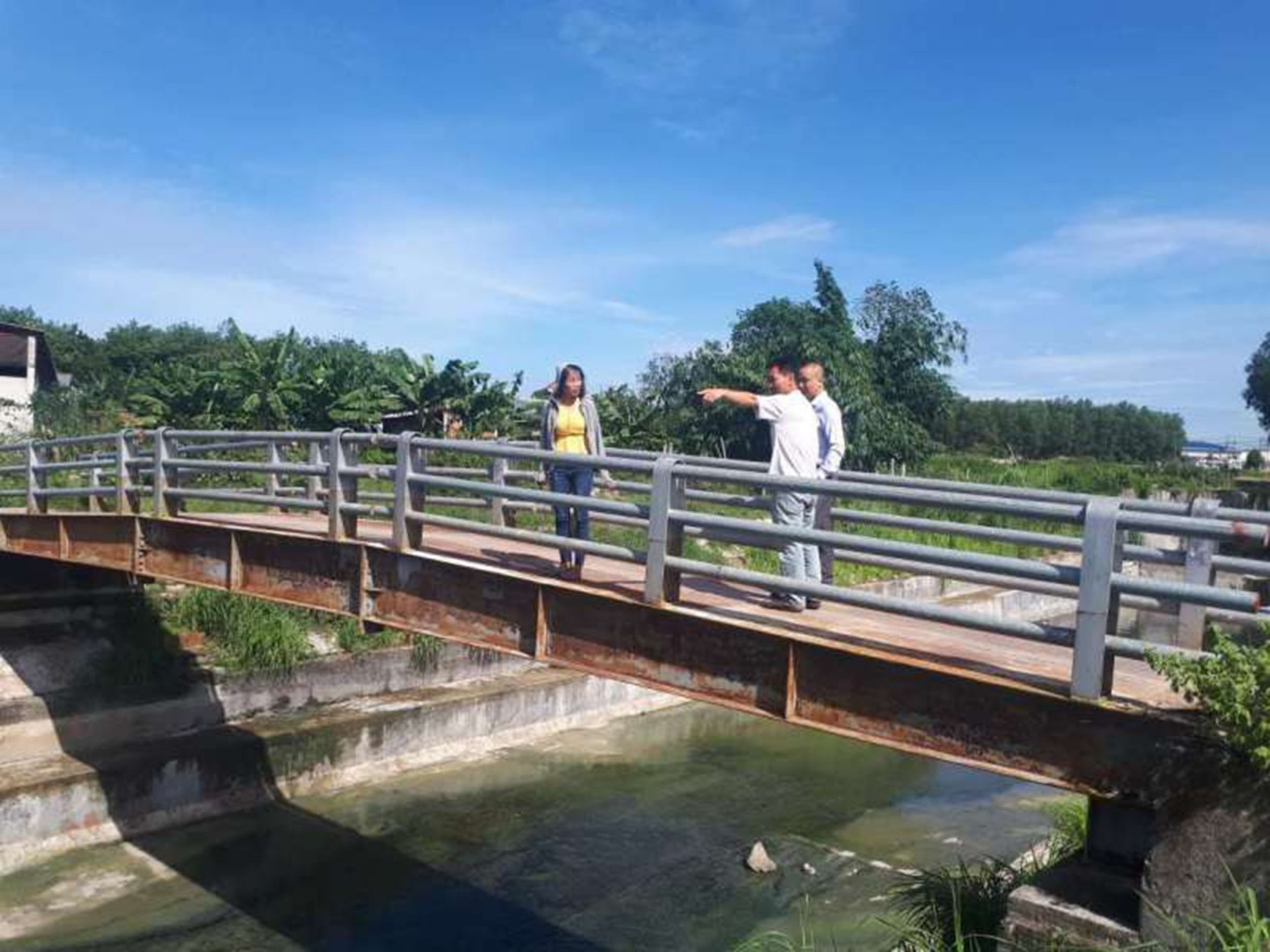
The authorities inspect and survey canal upstream of Tu Van 1 reservoir (Bau Bang district)
To assure water sources
The province has 3 reservoirs for irrigation of agricultural production, these are Can Nom, Da Ban, Doc Nhan, and are managed by local authorities. In addition, there is an irrigation canal system under Suoi Giai reservoir's irrigation system managed by Binh Phuoc province. The current water level of reservoirs ranges from 27.2% to 64.45% of its designed capacity (Can Nom 63.25%, Da Ban 27.2%, Doc Nhan 45.42%, Suoi Giai 64.45%).
According to forecast of exploitation management units, with the remaining water, it is expected that Can Nom reservoir (Dau Tieng district), Suoi Giai reservoir (Phu Giao district) are capable of ensure enough water for agricultural production during winter-spring 2020-2021 and summer-autumn crop 2021; Doc Nhan reservoir (North Tan Uyen district) only has enough water for winter-spring crop, not enough water for summer-autumn crop in 2021. Particularly, Da Ban reservoir will not have enough water to irrigate winter-spring crop 2020-2021, if it is not used economically and there is prolong drought. Regarding domestic water supply, up to now, lack of water has not happened.
According to leaders of Irrigation Office, irrigation projects is being operated in accordance with the approved procedures and regulations; rational, economical and efficient use of water is guaranteed to have adequate supply of irrigation water for agriculture, avoiding leakage and loss of water sources. Based on the situation of water sources, units shall elaborate detailed irrigation plans, balance water sources, forecast irrigated areas of each canal in irrigation areas to collaborate with local authorities make recommendations to people on arrangement of production structure. The units regularly check and determine reservoirs' water level and remaining water during irrigation process to have a reasonable water distribution plan, to take measures to promptly adjust, ensure irrigation water source.
For irrigation areas using tidal water, management and exploitation units regularly monitor the saltwater intrusion situation on Saigon and Dong Nai rivers to take measures to use water appropriately serving production of the people living along the rivers; to reasonably manage, operate and regulate sewers under dykes to ensure prevention of saltwater intrusion while ensuring irrigation water for crops; avoid closing sewers for a long time to prevent increase of alum level that kills plants. For areas that have not been affected by saltwater intrusion (Dong Nai river), the units make the most of the tide to pump water for irrigation in upstream areas.
Comprehensive solutions implemented
Vu Ngoc Thin, Deputy Director of Irrigation Office, said the office regularly updated and informed the hydro-meteorological situation, saltwater intrusion situation in time to units and localities to serve the prevention of drought. Besides, this unit regularly report the discharge of water to push the saltwater intrusion of Dau Tieng reservoir on Saigon River to riverside districts, towns and cities so that agencies, units and people can take the initiative in production and living.
On the other hand, Irrigation Office informed and recommended localities and units managing and exploiting irrigation works to synchronously apply solutions; operate irrigation works in accordance with the prescribed process to assure adequate supply of irrigation water for agriculture. For irrigation areas using tidal water, functional units need to inspect and evaluate the situation of water sources; specify detail zones of irrigation, water shortage areas, each irrigation canal for each specific crop, develop a suitable regulation plan to serve production until the end of crops. Then to make recommendations for people to actively change appropriate crop structure from beginning of each crop, especially rice cultivated areas having difficulty in irrigation water.
In addition, the office worked closely with Dau Tieng - Phuoc Hoa Irrigation Exploitation Company to operate water discharge to ensure natural flow and push saltwater on Saigon River during dry season. For areas prone to drought, functional units encouraged people to change crops, switch to planting short-term crops, use less water. For summer-autumn crop, farmers can sow late to catch rain. On the other hand, it is necessary to encourage local authortities to implement measures to increase water sources. such as dredging dug wells to increase irrigation water, concentrating pumps to exploit water from rivers, streams, drilled wells, dug wells…; instruct people to apply moisture-keeping measures, such as composting straw, grass, leaves around plant roots and using irrigation water economically.
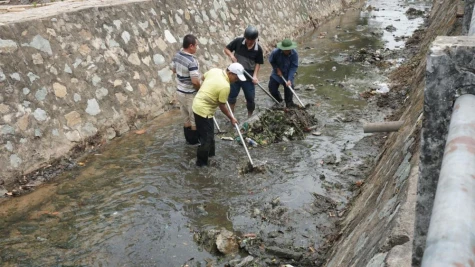
Particularly Da Ban reservoir, its remaining useful capacity is very low, while irrigation area of the reservoir is large, so it is possible that watering for winter-spring crop 2020-2021 is not guaranteed. North Tan Uyen district Irrigation Station needs to regularly monitor water level and the remaining amount of water of reservoir during irrigation process to have a reasonable and economical water regulation plan; dredge and clean canals; inspect and promptly handle broken and leaking canal sections to avoid water loss; recommend people to use water in an economical and efficient manner.
Reported by Thoai Phuong - Translated by Ngoc Huynh