


With the EU-Vietnam Free Trade Agreement (EVFTA) set to come into force on August 1, it is considered a great opportunity for the Vietnamese textile and apparel industry, despite concerns that the rules of fabric origin will make it tough for local products to enjoy the benefits of the trade deal.

According to the commitments outlined in the EVFTA, among the key export items of the nation to the trading bloc, the EU will eliminate tariffs on 77.3% of all textile and apparel exports from the country, while removing the remaining 22.7% over the following seven years.
In addition to enjoying advantageous tax rates, the EVFTA also promises to offer domestic textile enterprises the chance to import high-quality machinery, whilst simultaneously having access to EU standard raw materials.
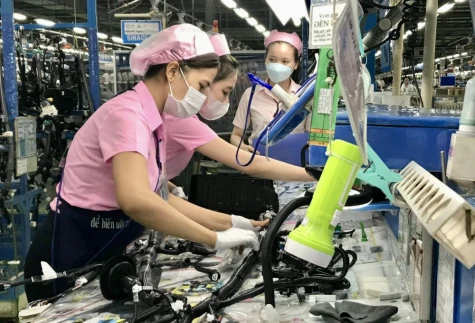
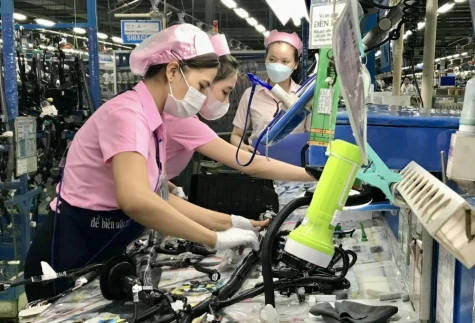
With these great opportunities available, many apparel firms are keen to catch the wave of the trade deal as soon as the agreement comes into force, with the aim of utilising these tariff advantages. Most notably, many local businesses have invested methodically into workshops, machinery, and technology in order to meet the technical standards set by importers.
Despite this, with an export scale of approximately US$5 billion per year to the bloc, the issue of how to make the Vietnamese textile and apparel industry meet the origin criteria "from fabric onwards" under the EVFTA in order to qualify for tax reductions remains a challenging issue. The fact is that the textile industry has failed to be proactive in sourcing fabrics that qualify for exports to the EU.
Additionally, the purchase of domestic fabrics is subject to 10% VAT, meaning that it is more expensive than imported fabrics, ultimately making the benefits of tariff reductions insufficient to offset the selling prices and to compete with items from other nations.
Nguyen Van Cam, vice chairman of Vietnam Textile and Apparel Association (VITAS), says that the rules of origin remain the most difficult issue for the textile and apparel industry when it comes to capitalising on the EVFTA.
Ahead of the proposal by the VITAS, the Import-Export Department under the Ministry of Industry and Trade says that the Ministry will co-ordinate efforts with the association and related units to complete a development strategy aimed at meeting the rules of origin. This will be done by building a separate system of self-certification of origin of goods, and selecting a number of firms to put into the system connecting with the EU in order to ensure the country’s reputation.
Furthermore, textile enterprises must strive to redouble efforts to improve the value and quality of goods and products whilst enhancing competitiveness within the EU market by meeting standards and management processes prescribed by the bloc. In addition, they should place a greater level of importance on social responsibility, transparency of information regarding labour, and production environment, especially in terms of rules of origin.
VOV