

Issues relating to labour, tariffs, and green export development remain challenges that export businesses must face when implementing the EU-Vietnam Free Trade Agreement (EVFTA).
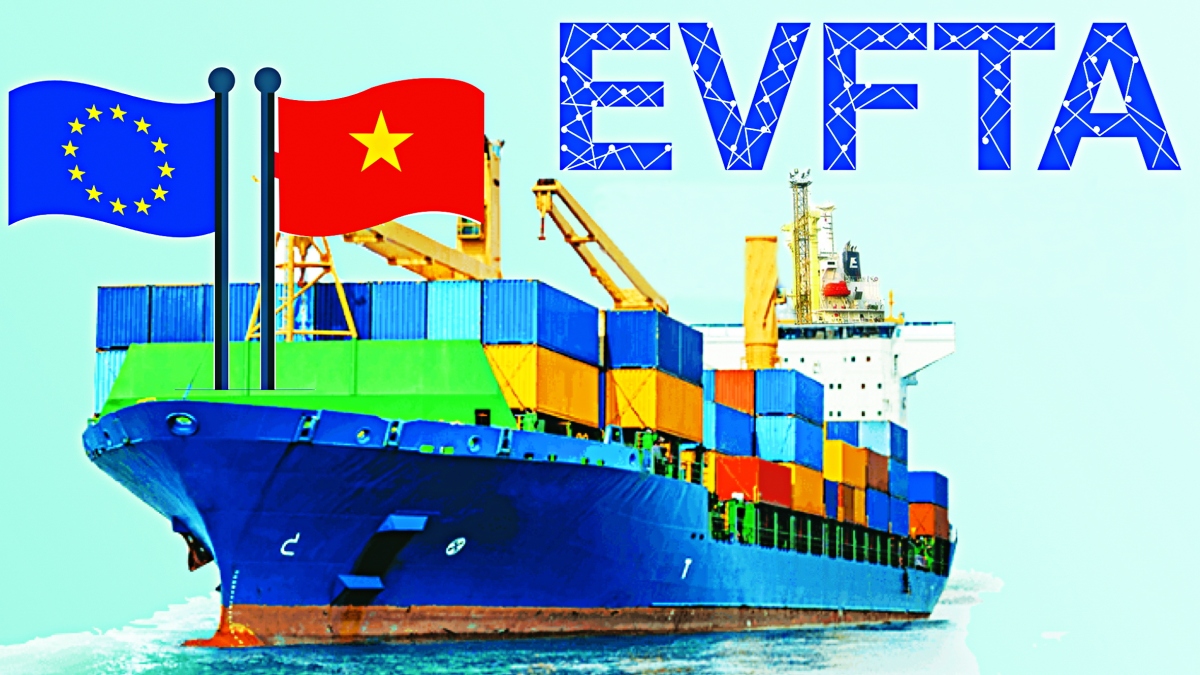
During the past 11 months of the year, the export turnover to the EU market reached a total of US$43.5 billion, representing a rise of 21% over the same period from last year.
Many Vietnamese export items have therefore enjoyed impressive growth, such as iron and steel surging by 739%, cameras, camcorders and components climbing by 260%, and machinery and equipment up by 82.3%.
The nation was able to achieve these impressive results after the two-year enforcement of the EVFTA.
The opportunity to develop export growth in general and to the EU market in particular is not lacking for Vietnamese enterprises, although most observers recognize that challenges relating to the local economy mainly stem from the global economic influence. Indeed, the majority of Vietnamese partner markets face plenty of big difficulties.
The COVID-19 pandemic, the ongoing conflict in Ukraine, escalating energy prices, high inflation, as well as the tightening of monetary policy by central banks globally, are all factors causing many major economies to suffer, including the EU and the United States, with this impacting overall export growth.
Tran Quoc Manh, chairman of the Board of Directors of Saigon Trade Production Development Joint Stock Company (Sadaco), touched upon major barriers from the EVFTA that Vietnamese small and medium enterprises face.
Along with the main industries of textiles and garments, forest products, furniture, and footwear, it is imperative for items to meet conditions such as a voluntary partnership agreement licenses, forest and forestry governance, environmental - social - governance (ESG) standards, and CO2 emissions.
Recently, EU member states announced that they would implement the Carbon Border Adjustment Mechanism (CBAM) which levies a carbon tax on all goods exported to this market based on the intensity of greenhouse gas emissions in the production process in the host country in 2023.
In practice, this means that exporters must devise a solution to switch to net zero to ensure exports are able to continue in line with the terms of the trade deal.
According to Nguyen Thi Thu Trang, director of the Center for WTO and Integration under the Vietnam Chamber of Commerce and Industry (VCCI), along with meeting the EU's import conditions, local businesses must carefully learn about tariff-related issues moving forward.
For many years the EU has been maintaining the Generalized System of Preferences (GSP) for developing and least-developed countries, including Vietnam.
According to details set out in EU regulations on GSP when there is a free trade agreement (FTA), the nation will continue to enjoy the GSP mechanism in parallel with the EVFTA for a period of two years from the date of entry into force of the EVFTA, that is, until December 31.
However, from January 1, 2023, the GSP preferential tariff regime will automatically end, meaning that businesses will apply the preferential tariff regime under the EVFTA.
Therefore, exporters must fully understand all issues pertaining to preferential tariffs to take advantage of EVFTA's opportunities such as grasping regulations on origin, as well as monitoring the committed roadmap of products.
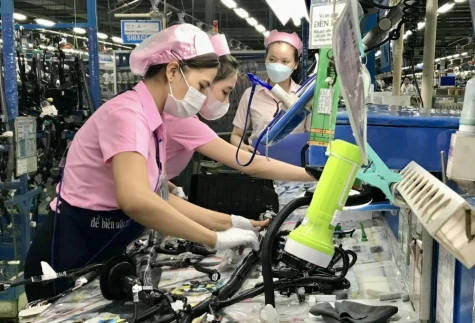
Furthermore, the problem of labour standards of the EU market in the EVFTA agreement also poses a challenge for businesses seeking to adapt.
Workers are at risk of losing their jobs due to low skill levels, although this is also an opportunity for local businesses to change themselves in order to have the opportunity to develop and enjoy the terms of the EVFTA.
The opportunity for Vietnamese workers will be to transfer training schemes and models.
As a means of implementing the EVFTA more effectively moving forward, the State must support and accompany businesses, thereby making the best use of demand from the bloc. This comes amid EU countries cutting production for some heavy industrial products and chemicals, fertilizer, steel, and food, thereby presenting an opportunity to boost the export of these items.
The Government should implement policies to support businesses more in terms of trade information regarding the EU market through developing a market information system, organizing trade promotion programmes, and strengthening market analysis, forecasting and research, as well as promulgating incentive policies for businesses.
This will help to support businesses directly and effectively participating in the supply chain, whilst it is necessary to strengthen the warning of regulations on barriers and problems which may arise in export activities, Trang added.
VOV