

In the morning of June 8, the National Assembly voted to approve the Resolution approving the Vietnam-European Union Free Trade Agreement (EVFTA). This is considered an opportunity to promote two-way trade, which is a favorable condition for Vietnamese businesses and members of the European Union (EU) to expand cooperation in production and business.
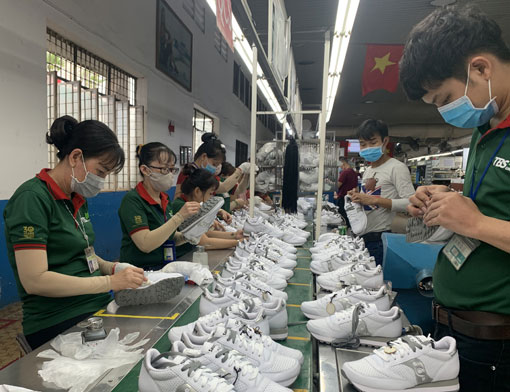
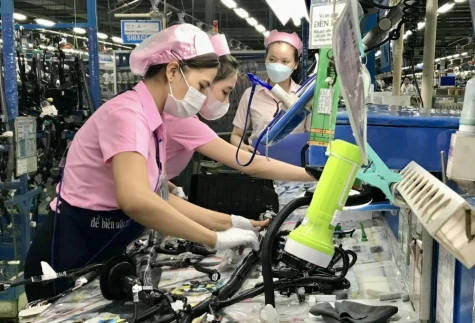
The leather and footwear industry is said to enjoy many advantages when EVFTA takes effect
Opportunity to reach out
Implementing the EVFTA Agreement, the way for Vietnam to access the EU market has become much more open. With the level of commitment achieved, EVFTA is considered to be a comprehensive, high-quality agreement, ensuring a balance of interests for both Vietnam and the EU, and in accordance with the provisions of the World Trade Organization. gender (WTO), as well as noted the differences in development levels between the two sides.
EVFTA consists of 17 chapters, 8 appendices, 2 protocols, 2 memorandums and 4 joint declarations. This Agreement covers many issues, including trade in goods (including general provisions and market opening commitments); rules of origin, customs and trade facilitation; Phytosanitary measures and food safety (SPS); technical barriers in trade (TBT), trade in services (including general provisions and market opening commitments); investment, trade remedies, competition; State-owned enterprises, Government procurement, intellectual property, trade and sustainable development, cooperation and capacity building, legal - institutional.
Besides the advantages, the agreement can bring certain challenges. Vietnam is committed to opening markets with goods and services for the EU, creating certain competitive pressures on Vietnam's economy, businesses and goods and services. However, this is a healthy competitive pressure, selective and appropriate route. On the other hand, because the economic structure of the EU and Vietnam is very complementary, not confronted directly, the expected competition pressure will not be large. Vietnam's opening commitment is a roadmap, especially for sensitive product groups, so EVFTA is also an opportunity and reasonable pressure for Vietnamese businesses to adjust and change their business methods and improve your competitiveness.
EVFTA includes regulations, strict rules on investment procedures, customs, trade facilitation, technical standards ... In order to fully comply with regulations that require reform of the legal system of Vietnam. This is considered to be consistent with the policy of reforming administrative procedures, increasing the efficiency of public procurement, reforming the growth model that the Government has been actively and urgently implementing. Labor commitments, which include allowing the establishment of workers' organizations in enterprises or the establishment of a National Advisory Group (DAG) to enforce commitments on trade and sustainable development. Strictly with the participation of labor representatives ... can increase the pressure on social supervision in the process of implementing the agreement and thereby posing certain challenges for Vietnam.
Business waiting
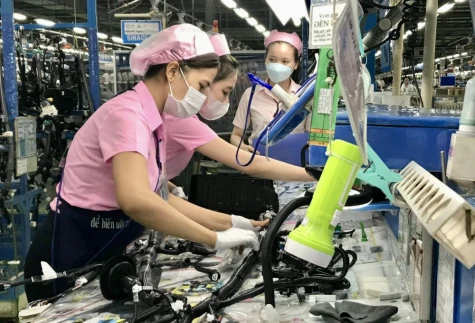
In Binh Duong, a province with more than 40,000 businesses operating in many fields, of which, Europe is the key market. EVFTA is considered to be an open opportunity for local businesses and is expected by the business community. Especially the two main export sectors of the province are textiles and footwear. It is forecasted that textile and apparel export turnover to the EU market will increase rapidly by about 67% to 2025 compared to the scenario without agreement. In addition, when the agreement comes into effect, it will contribute to significantly increasing the export of leather shoes to the EU.
Chairman of Binh Duong Leather and Footwear Association - General Director of Nam Binh Shoes Company Nguyen Quang Vu said that when EVFTA comes into effect, the leather and footwear industry will benefit greatly from the export turnover of the industry. Into the EU currently accounts for more than 80%. Benefiting immediately are the large enterprises, especially foreign-invested enterprises, producing for well-known brands in the EU market. Small businesses have not benefited much because they mainly reprocess large units. Once the tariff is reduced to 0%, brands will surely move orders to Vietnam more. Therefore, in order to seize opportunities and expand markets, businesses need to change according to their overall evaluation standards. The environment and policies for workers must comply with the laws of Vietnam and the standards of each customer with its own requirements. Domestic enterprises can take advantage of opportunities when working with foreign partners with high management level to learn, improve management capacity, and at the same time, change equipment and technology following the trend. new, guaranteed output and higher product quality.
Mr. Tran Thanh Liem, Deputy Secretary of the Provincial Party Committee, Chairman of the provincial People's Committee affirmed that in the coming time, the province assigned the industry and trade sector to promote propaganda on the provisions of free trade agreements, especially EVFTA to businesses, understanding the terms of enforcement and effectively take advantage of this agreement.
Reported by Tieu My – Translated by Vi Bao